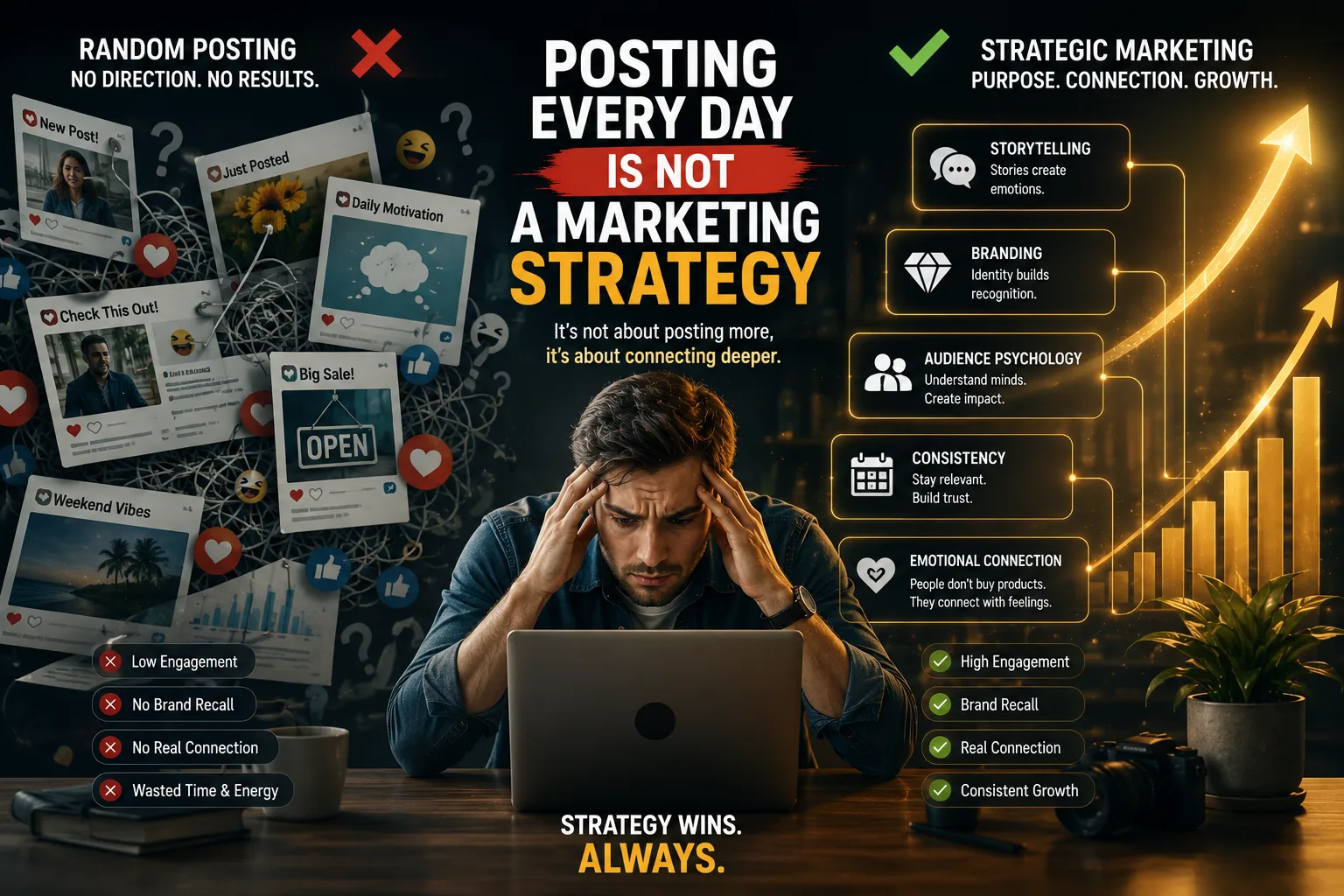


Tech companies often confuse branding with surface polish. A nicer logo, a stronger gradient, a livelier website, a more expensive video. Those things can help, but they do not solve the real job. A brand has to make sense fast. Within a few seconds, a buyer should understand what kind of company this is, what problem it solves, and whether it feels credible enough to deserve more time. If any one of those answers is muddy, conversion drops long before a sales call begins.
"A high-converting brand does not try to look bigger than it is; it tries to look unmistakably clear about the value it creates."
Writes with a practical operator's lens on branding, blending field experience, implementation detail, and clear decision-making guidance.
Positioning is the highest-leverage design decision
Most homepage problems are actually positioning problems wearing visual symptoms. When the core message is too broad, too abstract, or too internally phrased, the design starts compensating with extra copy, more sections, and louder visuals. None of that restores clarity. The strongest brands have a disciplined central line, a sentence that states the value in the buyer's language, not the company's internal mythology. Once that line exists, the rest of the brand can support it instead of scrambling to explain it.
Proof needs to arrive early
Early-stage tech companies frequently make the mistake of spending the entire first screen on aspiration. They talk about transformation, future readiness, and reinvention, then wait until halfway down the page to mention an actual customer, result, or product screen. That delay creates doubt. Proof belongs near the top because trust is perishable. A buyer wants immediate evidence that someone else has already taken this risk and seen value from it.
Proof can take many forms: customer logos with genuine relevance, a concise case-study metric, a precise certification, or a screenshot that makes the product feel real. The common trait is specificity. Specific proof works because it stops the brand from drifting into abstraction.
The visual system should outlive the campaign
Brands convert better when they behave like systems rather than moments. That means the homepage, deck, proposal, ads, product UI, and onboarding emails should feel like they belong to the same company. Not identical, but clearly related. Shared principles matter more than rigid sameness: similar spacing discipline, a consistent tone of hierarchy, a coherent illustration or photography style, and a clear logic for color and emphasis. When those decisions line up, every touchpoint reinforces the one before it.
Restraint creates room for meaning
There is a strange insecurity in a lot of tech branding, a fear that unless every page is energetic, animated, and layered with visual effects, the company will feel forgettable. In practice, the opposite is usually true. Restraint helps value stand out. A quieter palette, more deliberate spacing, and sharper hierarchy make the important claims feel more believable. Mature brands know they do not have to shout to be noticed.
Branding should help sales close, not just marketing launch
One useful test is to ask whether the brand gets stronger or weaker once a prospect enters the sales process. Does the demo deck feel like a downgrade from the website? Do product screenshots look unrelated to the polished hero section? Do proposals sound like they were written by a different company entirely? If so, the brand has not become operational yet. The best-performing brands make sales materials easier to build because the company already knows how it should sound, look, and prioritize information.
A tech brand that converts is ultimately one that reduces doubt. It names the problem clearly, presents itself with confidence, proves it has done the work before, and carries that same discipline through every commercial touchpoint. That is what makes people trust the story enough to keep moving forward.
Strong execution comes from turning good principles into repeatable operating habits. That is the difference between interesting advice and durable results.
Discussion
0 comments
Comments are paused while Lanawi upgrades the community experience.